Today we celebrate Memorial Day. This day is so much more than a time for vacations, barbecues or beach days. Memorial Day is a chance to commemorate our U.S. veterans and everything they have done for this nation.
But why is Memorial Day so significant? Where did it come from, and why is it such a historic piece of national history? Today we’re going to discuss everything you need to know about Memorial Day: where it came from, why it’s important and how you can honor our nation’s heroes today.
Where did Memorial Day come from?
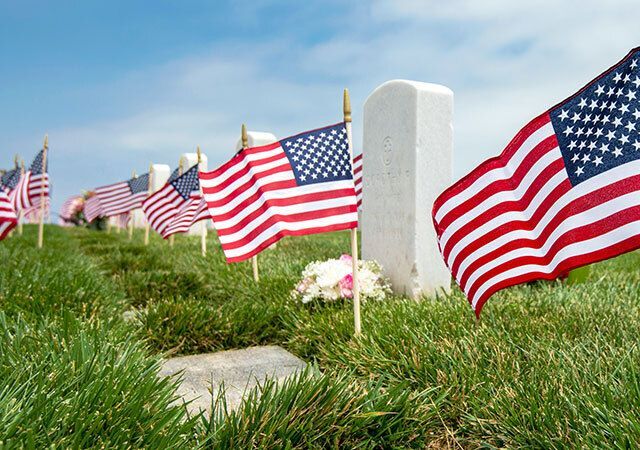
In the spring of 1865, the Civil War ended, having claimed the lives of more Americans than any other U.S. conflict in history. With so many lost, it caused establishment of the country’s first national cemeteries. A few years later in the late 1860s, individuals across various towns and cities in the United States began holding springtime tributes to honor these countless fallen soldiers. These original commemorations decorated the soldiers’ often unmarked graves with flowers, and honored their memories through song and prayer.
Who started Memorial Day?
While it’s unclear just exactly who started this springtime tradition, different community gatherings eventually developed into memorial ceremonies. However, on May 5, 1866, Waterloo, New York first celebrated the specific day to host their annual, community-wide event. Businesses were closed and residents decorated the graves of fallen soldiers with flowers and flags. One hundred years later in 1966, the federal government would declare Waterloo as the official birthplace of Memorial Day.
What was Decoration Day?
On May 5, 1868, General John A. Logan, commander-in-chief of the Union veterans’ group known as the Grand Army of the Republic, declared a nationwide day of remembrance for later that month. He proclaimed that May 30th should be a nationwide day of commemoration for the more than 620,000 soldiers killed in the Civil War. Logan named the holiday Decoration Day, as individuals would commonly decorate the graves of fallen soldiers in their honor. On the very first Decoration Day, General James Garfield made a speech at Arlington National Cemetery, and 5,000 participants decorated the graves of the 20,000 Union and Confederate soldiers buried there.
How did Memorial Day develop?
Over time, Decoration Day gradually became known as Memorial Day. While originally intended to honor only those who lost during the Civil War, after the United States became involved in WWI, Memorial Day evolved to commemorate all American military personnel who had fallen in all wars. Memorial Day continued to be observed on May 30th, until 1968 when Congress passed the Uniform Monday Holiday Act, which established Memorial Day as the last Monday in May, in order to create a three-day weekend for workers. Memorial Day was officially declared a national holiday, and continues to be celebrated on the last Monday of May every year.
This Memorial Day, honor U.S. heroes past and present by taking some time to recognize the significance and history of the day. Commemorate the day with your friends and family, and be sure to thank a veteran for his or her service to our nation.